
The SBTi (Science-based Target initiative) is the international standard that allows companies to align their decarbonisation strategy with the Paris Agreement. In September 2022, the SBT initiative published a sector-specific methodology for land management. What are the consequences for companies? Which sectors are concerned?
The SBTi and the Paris Agreement
The SBTi is for companies across all sectors and financial institutions. It is driven by a partnership between CDP, the UN Global Compact, the World Resources Institute (WRI), and WWF.
Company targets, recognised and aligned with science (Science-Based), must be built from carbon analyses that adhere to the accounting rules established by the GHG Protocol.
SBTi-FLAG: what are the consequences?
The sectors concerned
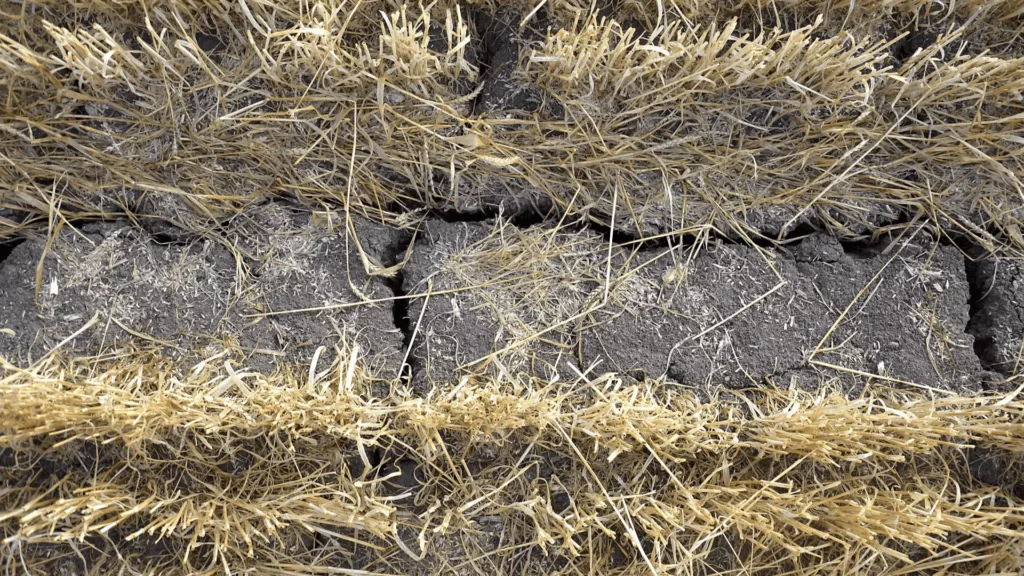
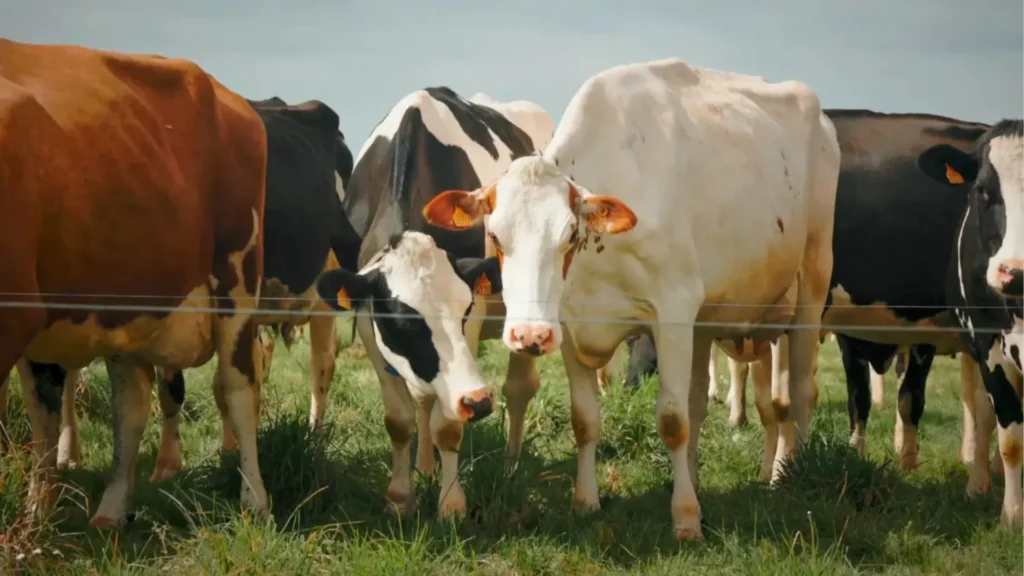
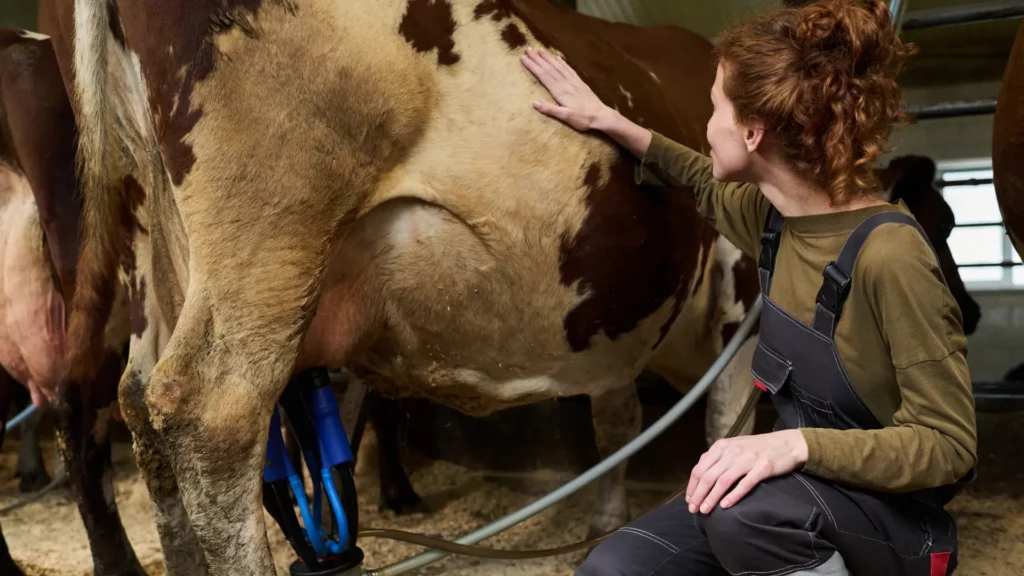
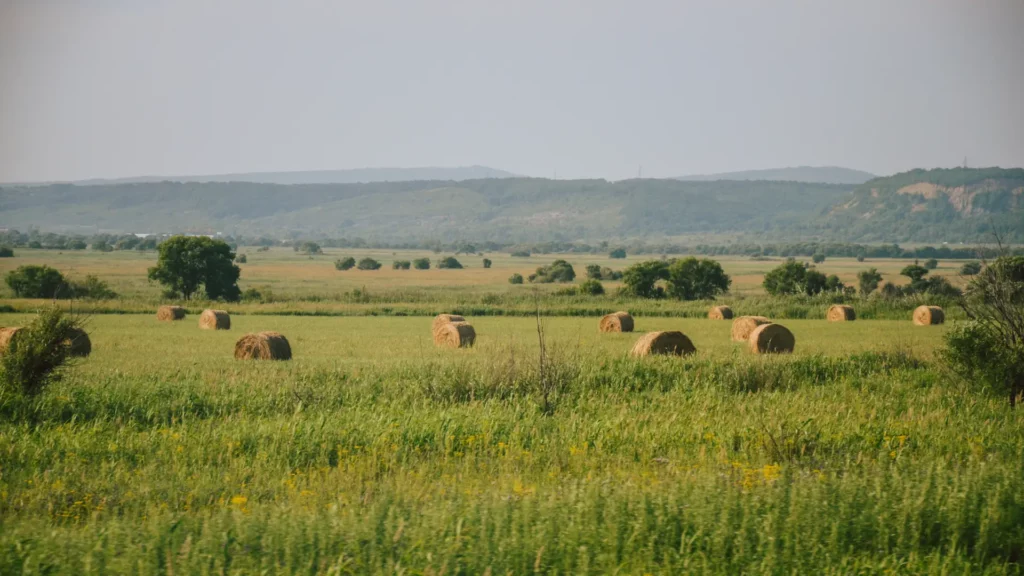
The SBTi-FLAG sets decarbonisation targets for companies that impact land through their economic activities:
Forestry and paper production ;
Agricultural production: crop and livestock; ;
Snuff box production ;
Agri-food transformation ;
Food distribution ;
Companies whose carbon footprint associated with the AFOLU sector accounts for more than 20% of their total carbon footprint.
Specific objectives
The aim of the SBTi-FLAG guide is to enable the companies concerned to reduce their FLAG emissions by 30.31% by 2030.
It is based on the GHG Protocol – Land Sector and Removals for the calculation of SBTi – FLAG targets.
This objective complements the standard SBTi objectives. In other words, the companies concerned must set specific targets for reducing their FLAG emissions.
Companies in the FLAG sector will therefore need to manage several decarbonisation objectives (at least 4) with different timeframes (short-term and long-term) and distinct scopes (Scope 3, Scope 1 & 2), as well as a commitment to achieve zero deforestation within their value chain by 2025.
Two possible approaches
To establish these FLAG targets, companies can follow two approaches: sectoral or by commodity, with both approaches being combinable.
The commodity-based approach must be applied where emissions associated with a commodity account for more than 10% of the company’s total FLAG emissions.
In sector-specific approaches, the target is calculated relative to the GHG emissions of the reference year.
For convenience in approach, targets are calculated taking into account production projections for the target year.
The SBTi – FLAG therefore encourages companies to set their short- and long-term targets without further delay.
N.B.: The SBTi – FLAG is based on a preliminary version of the GHG Protocol – Land Sector. Companies will therefore need to update their targets once the final version is published.
GHG Protocol Land Sector and Removals Guidance: what's new
Sources
FOREST, LAND AND AGRICULTURE SCIENCE BASED TARGET-SETTING GUIDANCE, October 2022, Accessible here: https://sciencebasedtargets.org/sectors/forest-land-and-agriculture
SBTi FOREST, LAND AND AGRICULTURE (FLAG) PROJECT FAQS, November 2023. Accessible here: https://sciencebasedtargets.org/resources/files/FLAG-FAQ.pdf
Understanding the new SBTi FLAG – Land Sector standard, Deloitte, November 2022. Accessible here: https://www2.deloitte.com/content/dam/Deloitte/fr/Documents/sustainability-services/deloitte_article-SBTi-partie2-comprendre-referenciel-SBTi.pdf
From compensation to contribution, Sweep. Accessible here: https://www2.sweep.net/comment-faire-des-credits-carbone-un-avantage-competitif-pour-votre-strategie-climatique
How to highlight and communicate on climate action carried out within the framework of the Low-Carbon Label?, I4CE – Institute for climate economics, November 2021. Accessible here: https://www.i4ce.org/publication/action-climatique-label-bas-carbone-climat/
Insetting and Scope 3 Climate Action: Applying and Accounting for Natural Climate Solutions (NCS) in Land Sector Value Chains, WBSCD, September 2022. Accessible here: https://www.wbcsd.org/contentwbc/download/14797/210459/1
Baptiste Soenen, Morgane Henaff, Hélène Lagrange, Edouard Lanckriet, Anne Schneider, Remy Duval, Jean-Louis Streibig, 2021. Méthode Label Bas-Carbone Grandes Cultures (version 1.0). Accessible here: https://www.ecologie.gouv.fr/label-bas-carbone