
In the context of reducing greenhouse gas (GHG) emissions and adapting to climate change, carbon storage in soils plays a key role. Indeed, agricultural and forest soils have the unique ability to sequester carbon in a biogenic form.
What is carbon sequestration?
Carbon sequestration involves two processes: the absorption of atmospheric CO₂ by plants and the storage of carbon in soil organic matter. Plants absorb carbon through photosynthesis. When they decompose in the soil, they release that carbon back into the soil in the form of organic matter.
Thanks to this plant-soil interaction, soil acts as a powerful carbon sink. With a reservoir of 1.5 trillion tons of carbon, the storage potential of the world’s soils is considerable.
How does carbon sequestration in soils work?
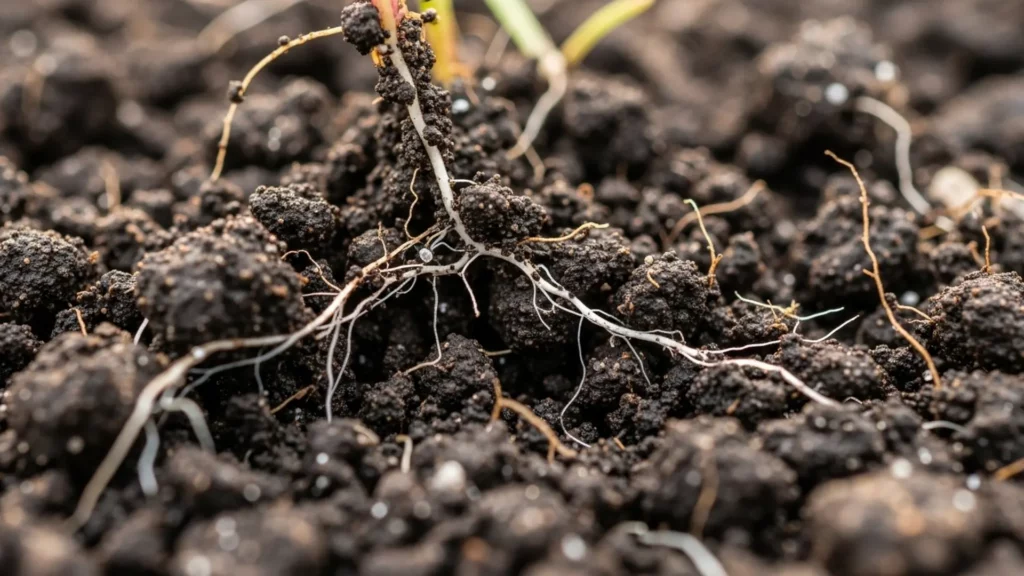
Organic matter is the primary form of carbon storage in soils. It consists of dead plants and microorganisms. In agricultural soils, it can be enriched by crop residues and organic fertilizers.
The recommended organic matter content for agricultural soil ranges from 2% to 3%, depending on the soil texture.
Once on the ground, organic matter is broken down and mineralized by decomposers such as fungi, bacteria, and earthworms.
Mineralization is the process by which organic matter is converted into inorganic substances—specifically, methane (CH4), carbon dioxide (CO2), water, and nutrients.
Following this mineralization, the mineral matter is then released into the atmosphere. Since all organic matter is destined to be mineralized, the permanent storage of organic carbon in soils is thus prevented. On average, the storage period does not exceed a few decades.
What is the point of carbon storage?
As a reminder, the 2015 Paris Agreement set the goal of limiting the rise in global average temperature to below 1.5°C.
With this in mind, major global organizations have committed to achieving net-zero emissions by 2050. In other words, GHG emissions would be offset by their capture through carbon sinks.
By sequestering atmospheric carbon, soils therefore play a crucial role in reducing GHG emissions. The greater the amount of carbon stored in soils, the lower the amount of CO2 in the atmosphere.
How can we increase carbon storage in the soil?
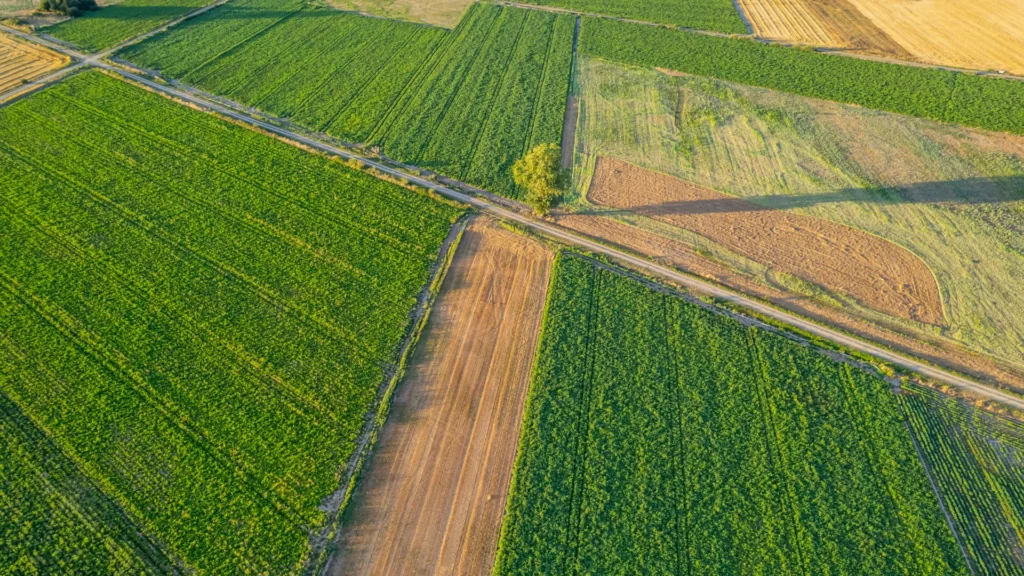
Agricultural techniques such as agroforestry or the use of cover crops can help increase carbon storage in the soil.
Agroforestry involves planting trees within fields of field crops.
However, certain practices can affect soil quality and degrade soil carbon stocks. For example: the conversion of farmland to urban areas, the intensification of production methods, land-use changes resulting from the conversion of grassland to cropland, and excessive and unsustainable harvesting of biomass.
Certain other practices can deplete soil organic matter, such as deep plowing or the removal of crop residues.
Where does France stand in terms of carbon sequestration?
France is a pioneer in promoting carbon sequestration in soils as a solution to climate change.
For example, it includes the “4 per 1,000” initiative launched in 2015 at COP21. This initiative aims to offset all annual emissions from human activities—which currently account for 4 parts per thousand of the planet’s soil carbon stock—by increasing soil carbon levels by 0.4% each year.
Soils are therefore a key lever that must be incorporated into climate change mitigation strategies. Increasing soil carbon stocks means reducing the amount of GHGs in the atmosphere.
Farmers are therefore key players in managing soil carbon stocks, particularly through their decisions regarding the addition of organic matter and the maintenance of plant cover on their farms.
Sources
Carbon storage in soils and global warming
Soils, Carbon Sinks, and Climate Factors
Carbon Dioxide Sequestration in Agricultural Soils
and the Forests of the Urban Community