
Decoding the GHG Protocol's Land Sector & Removals Standard
The GHG Protocol has published the LSRS, a new framework for agricultural carbon accounting. Traceability, removals, carbon credits: what this actually means for businesses.
Green Deal agricultural: Farm to Fork, CAP reform and Mercosur

Discover the consequences of the «Farm to fork» Strategy on the European and French agricultural transition, within the framework of the Green Deal.
The birth of the voluntary carbon credit market
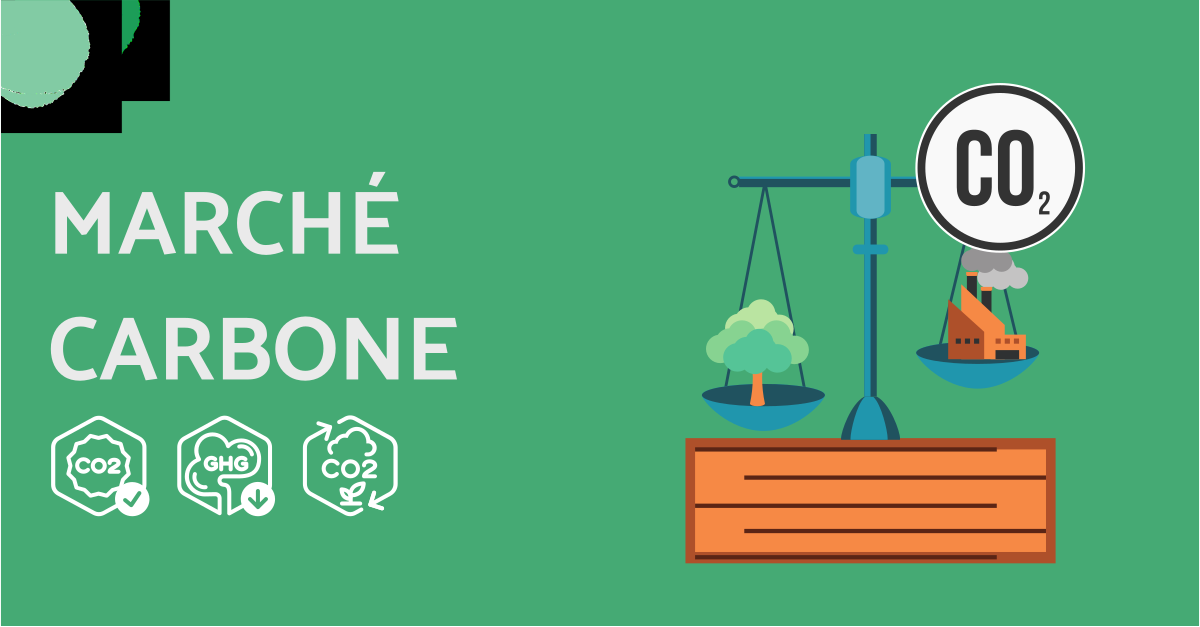
Discover the history of the voluntary carbon market's emergence and its impact on the fight against climate change.
What is the point of calculating the cost of the transition?
Discover how to finance the transition to sustainable agriculture by optimising the cost of low-carbon practices. Essential reading for aligning financial interests and ensuring the success of low-carbon projects.
Are the PAC and the Low Carbon Label combinable?
The Low Carbon Label for Arable Crops (LBC GC) is a methodological framework defined by a consortium of French technical institutes. It is intended for farms with arable crop activities that wish to engage in carbon impact reduction projects.
History of the CAP: from its beginnings to the present day
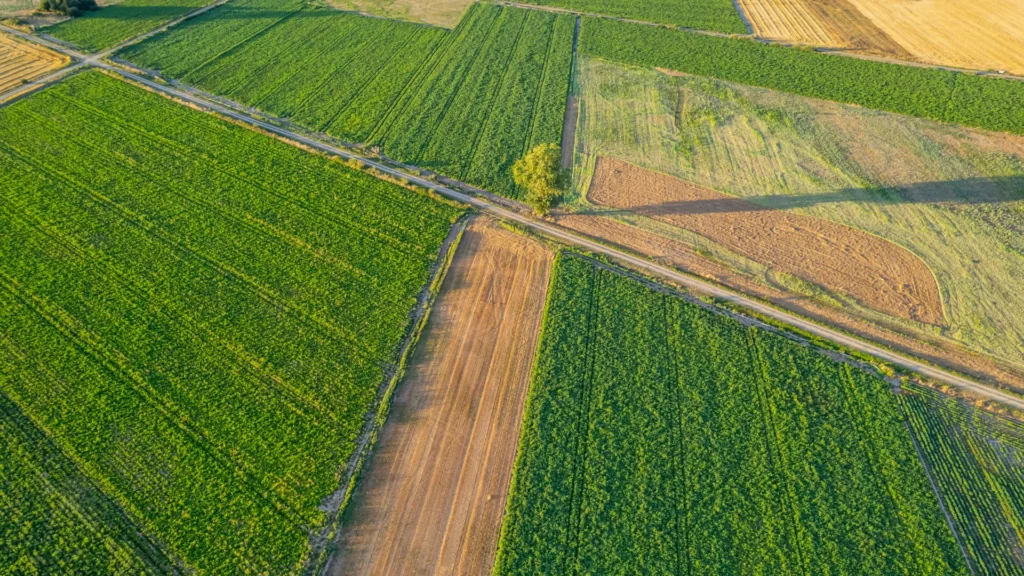
Discover the evolution of the Common Agricultural Policy from its creation to the new 2023 reform, via the key dates of this European initiative.
SBTI FLAG, what are the consequences for businesses?
The SBTi-FLAG: the consequences for businesses of the new international standard for their decarbonisation trajectory.
The soil: a key player in carbon sequestration
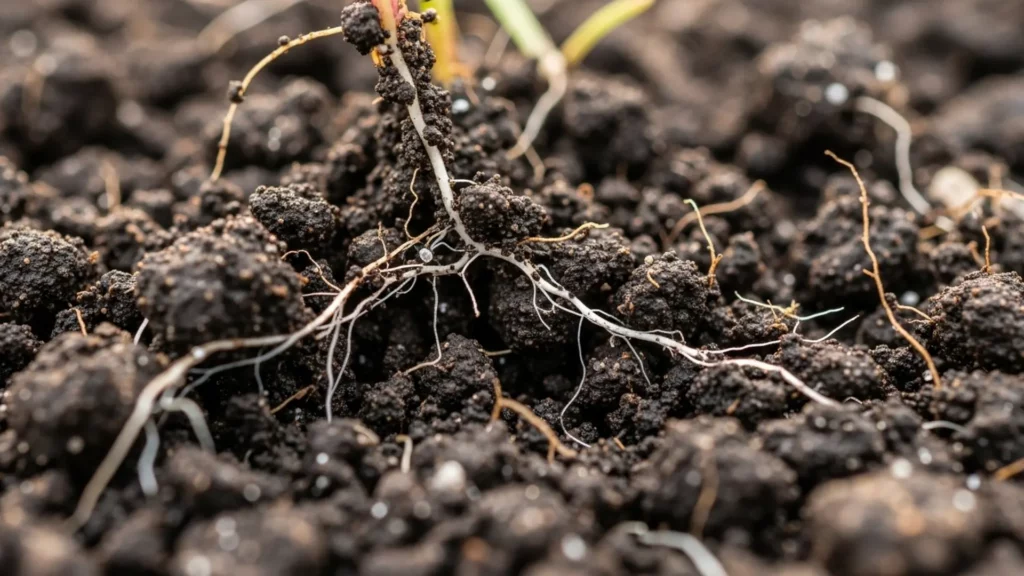
In the context of greenhouse gas (GHG) emission reduction and climate change adaptation, carbon storage in soils plays a key role. Indeed, agricultural and forest soils have the particularity of being able to sequester carbon in a biogenic form.
GHG Protocol Land Sector and Removals Guidance: what's new

The GHG Protocol, focusing on the new elements introduced by its new framework published in 2022: Land Sector and Removals Guidance.
Low-carbon food: a major challenge, multiple benefits
Scope 3 food: the massification of agricultural transition, a key condition for meeting climate objectives.